
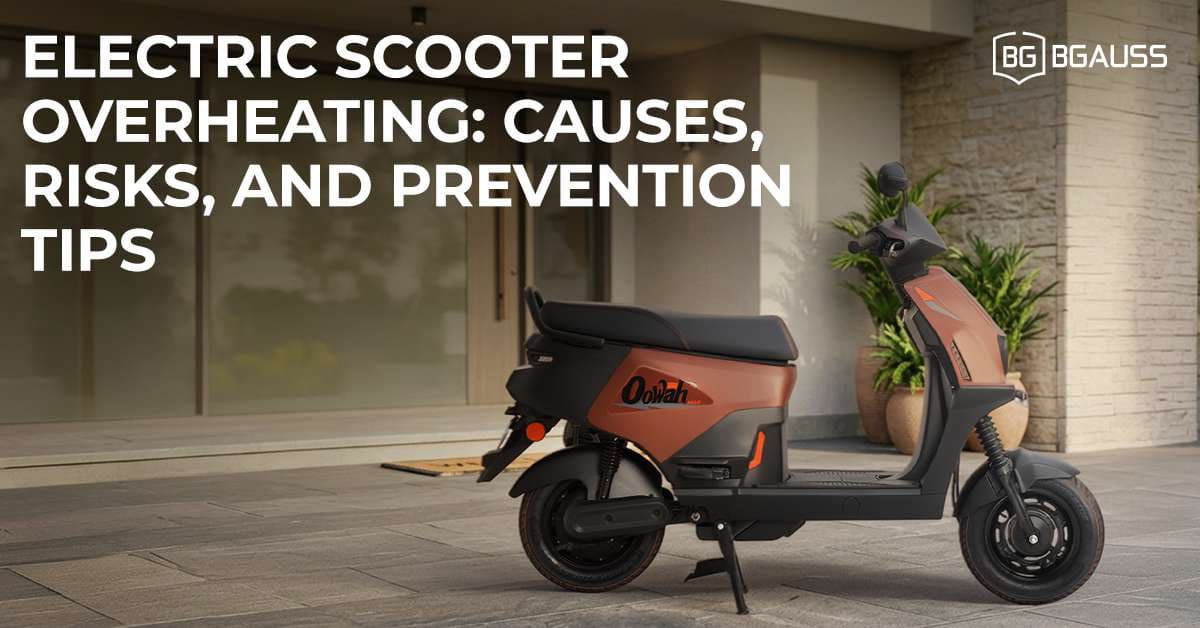
Electric Scooter Overheating: Causes, Risks, and Prevention Tips
How to Prevent Electric Scooter Overheating and Keep Your EV Running Safely
Electric scooters are designed to be reliable, efficient, and low-maintenance. However, like any vehicle with a battery and motor, they require proper care to perform at their best. One concern that riders occasionally have is overheating—especially during hot Indian summers or after prolonged usage.
While modern electric scooters are equipped with advanced battery management systems (BMS) and multiple safety features, poor charging habits, improper maintenance, or extreme environmental conditions can lead to Scooter battery problems or reduced performance.
In this blog, we’ll explore the common causes of overheating, discuss the truth about E-scooter battery fire incidents, and share practical tips to keep your scooter safe and efficient.
Do Electric Scooters Overheat?
The simple answer is: they can, but it is uncommon when the scooter is used and maintained correctly.
Modern electric scooters are designed with:
- Intelligent Battery Management Systems (BMS)
- Temperature monitoring sensors
- Overcharge protection
- Short-circuit protection
- Thermal cut-off mechanisms
These safety systems continuously monitor battery and motor temperatures to reduce the risk of overheating.
However, external factors such as excessive heat, damaged batteries, or using non-approved chargers can still create problems.
Common Causes of Scooter Battery Problems
1. Charging in Extreme Heat
High ambient temperatures can increase battery temperatures during charging.
To protect your battery:
- Charge the scooter in a shaded, well-ventilated area.
- Avoid charging immediately after a long ride.
- Never leave the scooter exposed to direct sunlight while charging.
Allowing the battery to cool before charging helps maintain its long-term health.
2. Using Non-Original Chargers
One of the leading causes of Scooter battery problems is using incompatible or low-quality chargers.
Original chargers are specifically designed to communicate with the battery management system and supply the correct voltage and current.
Using third-party chargers may:
- Cause improper charging
- Increase battery temperature
- Reduce battery lifespan
- Affect overall safety
Always use the charger supplied or approved by the manufacturer.
3. Continuous High-Speed Riding
The Electric scooter motor generates heat while operating.
Extended periods of:
- High-speed riding
- Continuous uphill climbs
- Carrying excessive loads
can increase motor temperature.
Modern controllers typically manage this automatically, but taking short breaks during long rides can help maintain optimal performance.
4. Overloading the Scooter
Every electric scooter has a recommended payload capacity.
Carrying excessive weight increases the workload on both the battery and the Electric scooter motor, causing:
- Higher energy consumption
- Increased motor temperature
- Faster battery drain
Following the manufacturer’s recommended load limits helps maintain efficiency and reduces unnecessary strain.
Understanding E-Scooter Battery Fire
Should Riders Be Concerned?
The phrase E-scooter battery fire often makes headlines, but it’s important to understand the context.
Most battery fire incidents are linked to:
- Damaged battery packs
- Poor-quality aftermarket batteries
- Unauthorized repairs
- Use of incompatible chargers
- Manufacturing defects in uncertified batteries
Modern electric scooters from reputable manufacturers use certified lithium-ion batteries with multiple layers of protection to minimize these risks.
While no battery-powered device is completely risk-free, following proper charging and maintenance practices significantly reduces the likelihood of battery-related incidents.
Warning Signs Your Scooter May Be Overheating
Watch for these signs:
- Battery warning indicators
- Unusual heat around the battery compartment
- Reduced performance
- Unexpected power loss
- Burning smell
- Error messages on the display
If you notice any of these symptoms:
- Stop riding safely.
- Turn off the scooter.
- Allow it to cool naturally.
- Contact an authorized service center if the issue persists.
Never attempt to open or repair a lithium-ion battery yourself.
Tips to Prevent Scooter Battery Problems
Charge Smart
Good charging habits make a significant difference.
Best practices include:
- Charge in a cool, dry place.
- Avoid frequent deep discharges to 0%.
- Disconnect the charger after charging is complete.
- Use only manufacturer-approved charging equipment.
Maintain Proper Electric Scooter Storage
Proper Electric scooter storage is especially important if you don’t use your scooter regularly.
For long-term storage:
- Store the scooter indoors or under shade.
- Keep the battery charge between 40% and 60% if storing for several weeks.
- Avoid damp or humid environments.
- Charge the battery periodically during extended storage.
These steps help preserve battery health and improve longevity.
Keep the Scooter Clean
Dust and debris can affect cooling efficiency.
Regularly:
- Clean air vents (if applicable).
- Remove dirt around the battery compartment.
- Inspect charging ports for moisture or debris.
Simple maintenance goes a long way toward preventing Scooter battery problems.
Why an Electric Scooter with Removable Battery Offers Extra Convenience
Choosing an electric scooter with removable battery provides several practical advantages.
You can:
- Charge the battery indoors where temperatures are controlled.
- Avoid leaving the scooter outside in direct sunlight.
- Store the battery safely during extreme weather.
- Carry the battery to your apartment or office for convenient charging.
This flexibility makes removable battery models particularly useful for urban commuters.
Modern Safety Features Protect Your Scooter
Today’s premium electric scooters include advanced technologies such as:
- Battery Management System (BMS)
- Over-temperature protection
- Over-current protection
- Short-circuit protection
- Cell balancing technology
- Thermal monitoring
These systems continuously monitor battery performance and automatically intervene when abnormal conditions are detected.
Why Electric Scooters Make Sense for Everyday Commuting
Despite occasional concerns about overheating, the reality is that properly maintained electric scooters are safe, efficient, and highly practical.
Here’s why electric scooters make sense:
- Lower running costs
- Minimal maintenance
- Quiet and smooth rides
- Zero tailpipe emissions
- Convenient home charging
- Lower servicing requirements
With responsible ownership and regular maintenance, electric scooters provide dependable transportation for everyday city travel.
When Should You Visit a Service Center?
Schedule an inspection if you notice:
- Frequent overheating warnings
- Battery swelling
- Charging issues
- Reduced riding range
- Persistent error codes
- Unusual noises from the motor
Routine servicing helps identify minor issues before they become major repairs.
Conclusion
Electric scooter overheating is relatively uncommon in modern EVs equipped with advanced safety systems. However, proper charging habits, responsible riding, and correct Electric scooter storage are essential for maintaining battery health and preventing Scooter battery problems.
Understanding the causes of overheating, recognizing early warning signs, and following basic maintenance practices can significantly reduce the risk of issues like E-scooter battery fire while extending the lifespan of your scooter and Electric scooter motor.
If you’re considering switching to electric mobility, it’s easy to see why electric scooters make sense for daily commuting—they’re efficient, economical, and designed with safety in mind.
Want to experience the latest generation of electric mobility? Book a test ride and discover how modern BGauss electric scooters combine performance, convenience, and advanced safety features for everyday riding.